

Best BJJ Mats for Home: Types, Thickness & What to Buy
Setting up a home mat space is one of the best investments a serious BJJ practitioner can make. More mat time, flexible schedule, and no commute — but only if you buy the right mats. The wrong choice means insufficient impact protection, mats that shift or separate during use, or surfaces that don't hold up to regular training.
Types of BJJ Mats
Puzzle/Interlocking Foam Mats (EVA Foam)
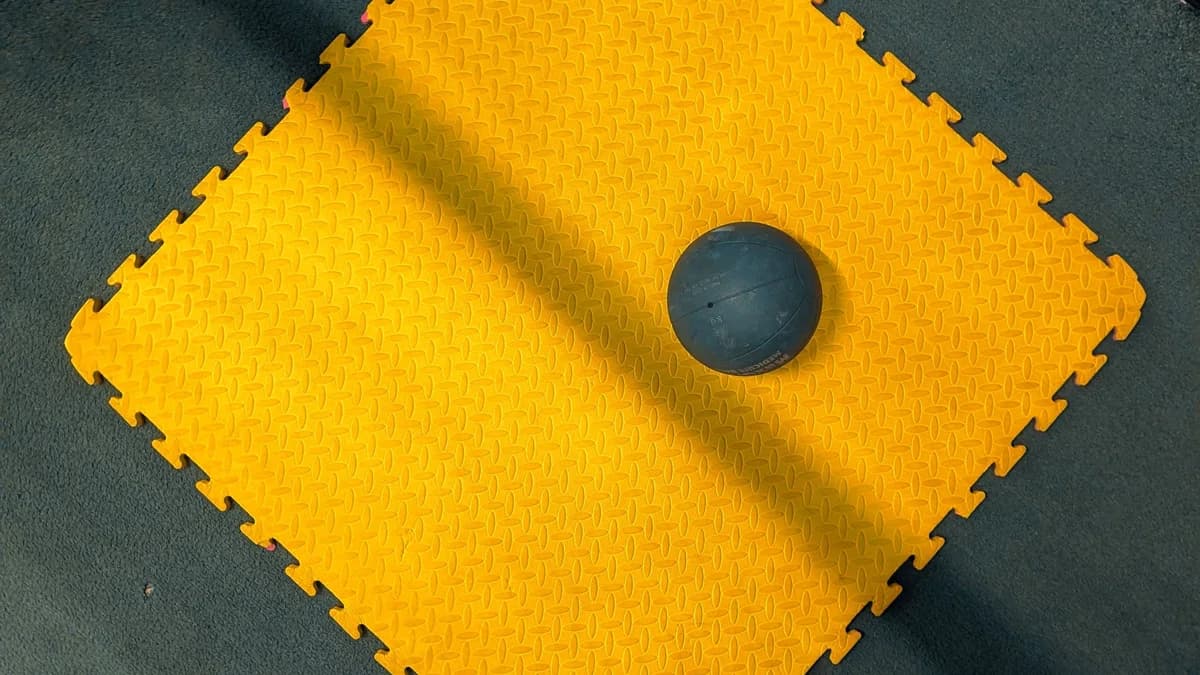
The most common home mat solution. Individual tiles (typically 1m x 1m or 2ft x 2ft) interlock like puzzle pieces to cover any area.
Pros:
- Affordable per square meter
- Easy to store, move, or reconfigure
- Available widely (Amazon, martial arts suppliers, some hardware stores)
- Can be expanded incrementally
Cons:
- Seams can separate during rolling if not secured
- Lower-density versions (common in hardware stores) compress too easily and provide poor impact protection
- Edges can peel or delaminate over time
Minimum thickness: 40mm for BJJ ground work. 20mm puzzle mats (common in hardware stores) are not sufficient — they compress through to the floor on falls and over time.
Roll-Out Mats
Single continuous rolls of foam (or foam with vinyl covering) that unroll to cover a space without seams.
Pros:
- No seam separation issues
- Professional feel
- Easy to clean
Cons:
- More expensive
- Require storage space when rolled up
- Heavy to move
Roll-out mats from martial arts suppliers (Dollamur, Zebra, etc.) are the standard choice for serious home setups and small gyms.
Tatami Texture Mats
Many competition and training mats have a tatami texture on the surface — a grid pattern that provides some grip without being abrasive. This is the preferred surface for gi training because it mimics academy conditions.
Smooth vinyl surfaces are more common in wrestling-focused setups and are fine for no-gi but can feel slippery in gi training.
Recommended Thickness
| Use Case | Minimum Thickness |
|---|---|
| Solo drilling / technique work | 25–30mm |
| Partner training / light sparring | 40mm |
| Takedowns and falls | 40–50mm |
If you're planning to drill takedowns, throw your partner, or do any significant falling, prioritize thickness. 40mm minimum; 50mm for anything with regular throws.
Sizing Your Space
A minimum functional training space for one person doing solo drilling: roughly 3m x 3m (9 square meters).
For partner training and rolling: 4m x 4m is workable for two people; 5m x 5m or larger is more comfortable and allows more dynamic movement.
When calculating: measure your space, subtract space for walls and furniture clearance, and then buy enough to cover the training area properly. Exposed hard floor at the edges is an injury risk.
Top Options by Budget
Budget (puzzle mats from martial arts suppliers, not hardware stores)
Mirafit / Gorilla Sports / comparable: 40mm interlocking EVA foam mats from martial arts-specific suppliers are significantly better than the 20mm versions sold in hardware stores. Expect to pay £2–4 per tile. Quality varies — read reviews specifically from BJJ/grappling users, not general fitness.
Important: Hardware store foam tiles (often labeled for children's rooms or home gym "comfort") are usually 20mm or lower density. Don't use these for BJJ.
Mid-Range
Fuji Jigsaw Mats: Well-regarded in the martial arts community. 40mm, tatami texture, consistent density. A standard reliable option.
Gold BJJ Mats: Good construction and density, popular in the BJJ community. Available in tatami texture in standard sizes.
Premium (Roll-Out)
Dollamur Flexi-Roll / Zebra Mats: The gold standard for roll-out mats used in competition and professional academies. Expensive for a home setup but essentially bulletproof in terms of durability and surface quality. If you're building a permanent dedicated space, these are worth the investment.
Securing Your Mats
Puzzle mats shift during training unless secured. Solutions:
- Mat tape: Athletic tape along seams keeps puzzle mats connected during use
- Border tiles: Many puzzle mat sets come with smooth-sided border pieces that create a finished edge and reduce tile migration
- Non-slip backing: Some mats come with a rubberized bottom; if yours don't, a non-slip underlay prevents the whole mat from sliding on smooth floors
- Wall edges: Running the mat edge against a baseboard keeps at least two sides fixed
Hygiene
Home mats need regular cleaning — ideally after every session. Sweat and skin contact create a breeding environment for bacterial and fungal growth (staph, ringworm, and similar are real concerns).
Frequently Asked Questions
What thickness of mat do I need for BJJ at home?
A minimum of 40mm for any partner training or rolling. 25–30mm is sufficient for solo drilling but won't protect you adequately on falls. If you plan to practice throws, go 40–50mm. The 20mm tiles commonly sold in hardware stores are not sufficient for BJJ.
Are puzzle mats good enough for BJJ?
Yes, if you buy from a martial arts supplier at the correct thickness (40mm minimum). Hardware store foam tiles are typically 20mm and much lower density — not suitable. Martial arts-specific puzzle mats at correct thickness work well for ground training.
How much space do I need for a home BJJ mat?
A minimum of 3m x 3m (9 square meters) for solo drilling. For partner training, 4m x 4m is workable for two people; 5m x 5m is more comfortable and allows dynamic movement without wall collisions.
How do I clean home BJJ mats?
Clean after every session. A diluted bleach solution (roughly 1:10 bleach to water) or dedicated mat cleaner, sprayed and wiped down, is standard. Allow mats to dry fully before rolling them up — sealing in moisture creates bacteria and mold.
Do home BJJ mats need to be secured?
Puzzle mats will shift during training unless secured. Options include athletic tape along the seams, border tiles, non-slip underlay on smooth floors, or positioning mats against a baseboard to anchor at least two sides.
A diluted bleach solution or a dedicated mat cleaner sprayed and wiped down after training is the standard protocol. Allow mats to dry fully before rolling up or stacking.