

Best BJJ Mouth Guard: Do You Actually Need One?
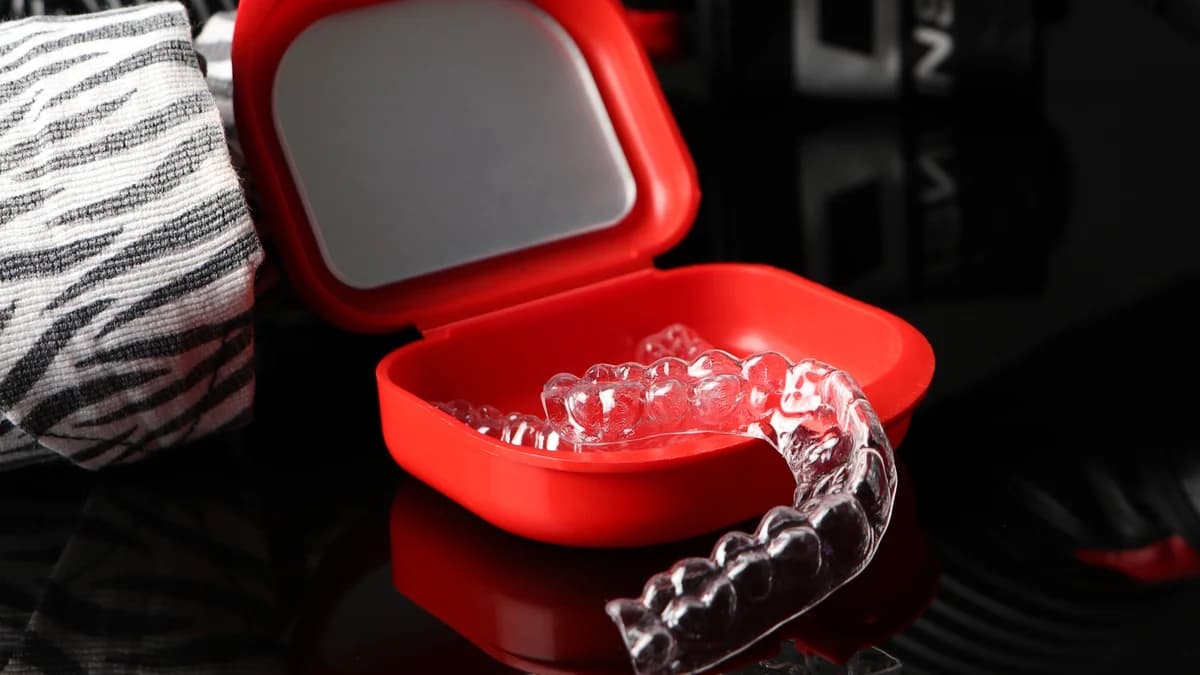
Mouth guards are less commonly discussed in BJJ than in striking arts, but there are real reasons to wear one — and real reasons practitioners choose not to. Here's a clear-eyed breakdown.
Do You Need a Mouth Guard for BJJ?
BJJ is primarily a grappling art without strikes, which means the mouth guard question is more nuanced than in boxing or Muay Thai. The honest answer: you should probably wear one, but many experienced practitioners don't.
The case for wearing one:
- Accidental contact (knees to the face, head-to-head collisions, elbows during scrambles) happens in grappling more than most people expect
- Jaw clenching during intense exertion protects teeth against grinding and cracking
- If you compete in any format with combat jiu-jitsu (slap-only or strike rules) or train MMA alongside BJJ, a mouth guard is necessary
- Dental repairs are extremely expensive — a quality mouth guard is cheap by comparison
The case against:
- Many practitioners find mouth guards impair breathing, which matters significantly in grappling
- In pure sport BJJ, the actual frequency of face contact is lower than in striking arts
- Speaking and communication with your coach during competition is harder
At minimum, wear a mouth guard when competing or when doing any training that involves unusual physical contact (takedown drilling, working with spazzy beginners, etc.).
Types of Mouth Guards
Boil-and-Bite
The most common choice for combat sports. You heat the guard in boiling water, then bite into it to create a custom impression of your teeth.
- Cost: $5–$30
- Fit: Better than stock, not as good as custom
- Breathing: Varies significantly by brand and thickness
- Durability: 6–12 months of regular use typically
This is the right choice for most BJJ practitioners.
Custom (Dentist-Made)
A dental professional takes a mold of your teeth and fabricates a guard to exact specification.
- Cost: $100–$500+
- Fit: Excellent — stays in place, doesn't require biting to hold
- Breathing: Best option — properly fitted custom guards interfere least with airflow
- Durability: 2–5 years with proper care
Worth the investment if you compete frequently or find boil-and-bite guards significantly impair your breathing.
Stock/Universal Fit
One-size-fits-all guards that sit loosely in the mouth. Not recommended for training — they fall out easily and provide poor protection.
Best BJJ Mouth Guards (Boil-and-Bite)
Shock Doctor Gel Max
One of the most popular options in combat sports. Good fit after boiling, reasonably comfortable, allows decent breathing. Available in multiple sizes. Reliable mid-range choice — I use this one myself and have had no complaints after multiple mold cycles.
SISU Guard (2.4mm or 1.6mm)
Significantly thinner than traditional mouth guards — the SISU system claims to provide protection through a different material approach rather than bulk. Very popular among BJJ and MMA practitioners specifically because the slim profile allows more natural breathing and talking. The 1.6mm version is extremely thin and takes some getting used to but is widely praised for minimal breathing interference.
Venum Predator
Popular in the BJJ and MMA community. Solid construction, good fit after molding, comes in many color options. Reliable choice at mid-range pricing.
Battle Sports Level 2+
Slightly bulkier than SISU but provides good protection and comes with a case and strap for helmets. Popular among grapplers who want more traditional bulk protection.
How to Mold a Boil-and-Bite Guard
- Boil water and remove from heat; let it cool for 30 seconds
- Submerge the guard for 30–60 seconds (check manufacturer's instructions — times vary)
- Remove with tongs; rinse briefly in cold water for 1–2 seconds
- Place in your mouth, bite down firmly, and use your fingers and tongue to press the material against your teeth and gums
- Hold for 30–60 seconds
- Rinse in cold water to set the shape
If the fit isn't right, most boil-and-bite guards can be re-molded by repeating the process.
Caring for Your Mouth Guard
- Rinse immediately after use
- Store in the ventilated case (most guards come with one) — don't seal it wet
- Clean weekly with toothpaste or a dedicated mouth guard cleaner
- Replace when it shows visible wear, cracking, or loses its shape
Frequently Asked Questions
Do you need a mouth guard for BJJ?
You should probably wear one, though many experienced practitioners don't. The main risks in BJJ are accidental head collisions, knees to the face during scrambles, and jaw clenching under exertion. These are less frequent than in striking arts, but a mouth guard is cheap insurance compared to dental repair costs.
What type of mouth guard is best for BJJ?
A boil-and-bite guard is the right choice for most practitioners. SISU-style thin guards (1.6mm or 2.4mm) are particularly popular in the BJJ community because their slim profile significantly reduces breathing interference compared to thicker traditional guards.
Does a mouth guard affect breathing in BJJ?
Yes — traditional bulky guards can noticeably impair breathing, which matters in a grappling sport where sustained exertion is constant. SISU-style thin guards and properly fitted custom guards cause much less interference. Breathing impairment is the main reason many BJJ practitioners choose not to wear one.
How often should you replace a BJJ mouth guard?
A boil-and-bite guard typically lasts 6–12 months of regular use before showing visible wear, cracking, or loss of shape. Replace it when it no longer fits snugly — a worn guard provides significantly less protection.
Do you need a mouth guard for BJJ competition?
Standard sport BJJ tournaments don't require one. Combat Jiu-Jitsu or any format with strikes makes it mandatory. Even for standard competition, wearing one is advisable — the intensity of competition increases the chance of accidental contact.
A mouth guard that fits poorly — either too loose to stay in place or causing jaw discomfort — won't get used consistently. Getting the fit right is worth the extra effort.