

BJJ Rash Guards: How to Choose the Best One for Training & Competition
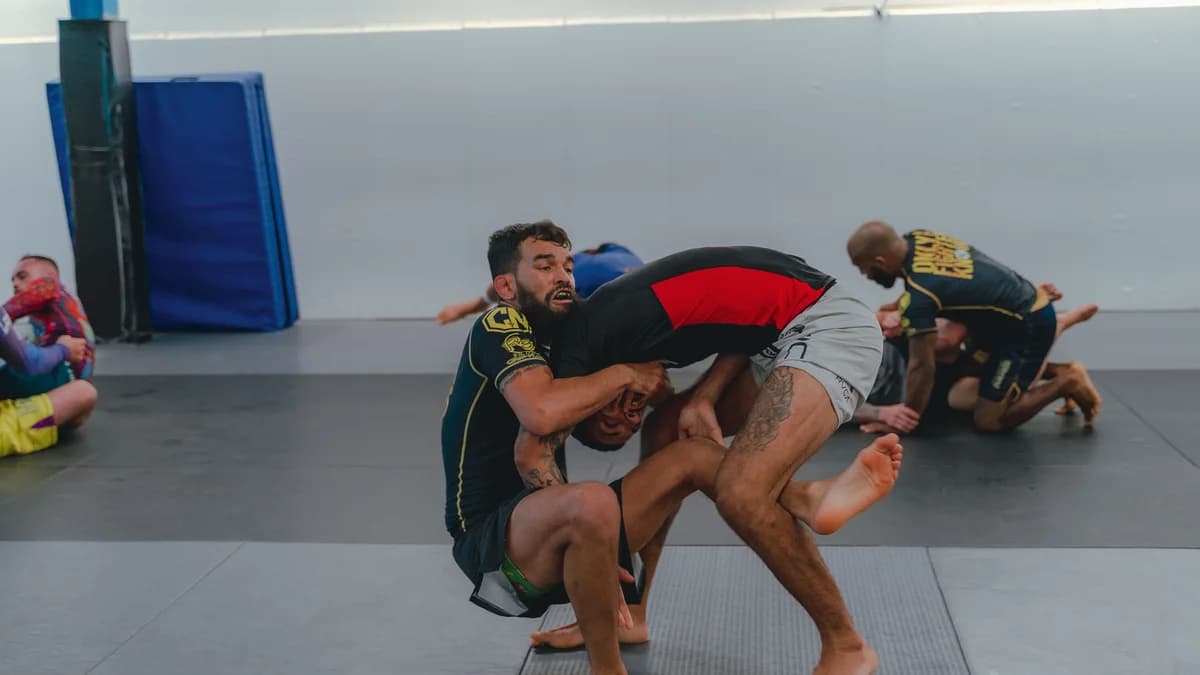
A rash guard is essential kit for no-gi training and useful under the gi as well. The right one stays in place during rolling, maintains compression, and holds up to the regular washing it needs. Here's what to look for.
What Is a Rash Guard?
A rash guard is a tight-fitting athletic shirt made from spandex/lycra blend fabric. In BJJ it serves several purposes:
- Protects skin from mat burns and friction injuries
- Reduces skin-to-skin contact, lowering the risk of bacterial and fungal infections
- Provides mild compression that can support muscles during training
- Required (or strongly recommended) under the gi to keep the jacket from direct skin contact
Key Factors When Choosing
Fabric and Compression
Most BJJ rash guards use a polyester/spandex blend — typically 80/20 or similar. What you're looking for:
- 4-way stretch: fabric should move freely in all directions without pulling
- Compression fit: tight enough to stay in place during rolling, not so tight it restricts breathing or movement
- Moisture-wicking: should pull sweat away from the skin and dry relatively quickly
Rash guards marketed as "competition grade" typically have higher spandex content for better compression and recovery, and are more form-fitting than training versions.
Short Sleeve vs. Long Sleeve
- Long sleeve: more skin protection, better for colder gyms, accepted at IBJJF no-gi competition
- Short sleeve: more comfortable in hot climates, also accepted at IBJJF no-gi competition, good for training under a gi where sleeve length isn't an issue
- Sleeveless/compression top: good for training under gi, not typically acceptable as standalone competition gear
Stitching and Durability
The seams take a lot of stress in BJJ. Look for:
- Flatlock stitching (seams lie flat and don't dig into skin during rolling)
- Reinforced stitching at stress points (shoulder seams, collar)
- Panel construction that resists stretching out at the torso
Budget rash guards often fail at the seams or lose compression within a few months. This is the area where quality has the most impact.
IBJJF No-Gi Rules for Rash Guards
If you're competing in IBJJF no-gi events:
- Both long sleeve and short sleeve rash guards are allowed
- Color indicates belt rank: white/black for white belt, blue/black for blue belt, purple/black for purple belt, brown/black for brown belt, black with a red panel for black belt
- Some color flexibility exists but the dominant color should match belt rank
- Shorts must not have pockets or hard hardware that could injure opponents
Check the current IBJJF rulebook before competing — specific color requirements have been updated over time.
Best BJJ Rash Guard Brands
Budget (under $40)
Sanabul: Reliable entry point. The compression is decent and they hold up reasonably well for the price. Good for beginners who want to test the format.
Venum: Widely available and reasonably well-constructed. Some designs are popular; quality can vary between lines.
Mid-Range ($40–$80)
Gold BJJ: Strong reputation in the BJJ community. Their rash guards use high-quality fabric and construction and are a favorite for both training and competition.
Tatami: Consistent quality, IBJJF-compliant color options, and durable stitching. Good all-around option.
Hayabusa: MMA-oriented brand with solid rash guards. Slightly higher price point but reliable compression and durability.
Premium ($80+)
CTRL Industries: Clean aesthetics and premium construction. Favored by practitioners who want minimal branding and maximum performance.
Scramble: Strong reputation for quality materials and a slightly more relaxed fit than some other premium options.
Under-Gi Rash Guards
For wearing under a gi, a lighter or shorter-sleeved option is typically more comfortable. The primary purpose under the gi is skin protection and hygiene — heavy compression is less critical here than standalone no-gi use.
Some practitioners prefer a cheaper rash guard under the gi (to preserve the good ones for competition) and a competition-grade one for no-gi training.
Care and Longevity
- Wash after every session
- Cold or warm wash — avoid high heat, which degrades spandex and causes the compression to fail faster
- Air dry when possible; dryer heat shortens the life of any spandex garment significantly
- Turn inside-out before washing to protect the outer print
Frequently Asked Questions
Do you need a rash guard for BJJ?
For no-gi training, yes — it's standard kit and required at most gyms. Under the gi, it's strongly recommended for hygiene and skin protection. Rash guards reduce skin-to-skin contact that facilitates bacterial and fungal infections, which are genuine concerns in a contact sport.
What color rash guard do I need for IBJJF no-gi competition?
IBJJF no-gi requires a rash guard matching your belt rank: white or black for white belt, blue or black for blue, purple or black for purple, brown or black for brown, and black with a red panel for black belt. Both long and short sleeve are allowed. Check the current rulebook — color requirements have been updated over time.
Should I buy a short sleeve or long sleeve rash guard?
Long sleeve provides more skin protection and coverage during rolling. Short sleeve is more comfortable in hot climates and fine for training under a gi. Both are accepted for IBJJF no-gi competition, so the choice comes down to personal preference and climate.
How long do BJJ rash guards last?
A quality rash guard from a reputable brand lasts 1–2 years of regular training with proper care. Budget options may start losing compression within 6 months. Cold washing, air drying, and turning inside-out before washing significantly extend lifespan.
A well-maintained rash guard from a quality brand should last 1–2 years of regular training. Cheaper ones may start losing compression within 6 months.