

How to Find a BJJ Gym: What to Look For and What to Avoid
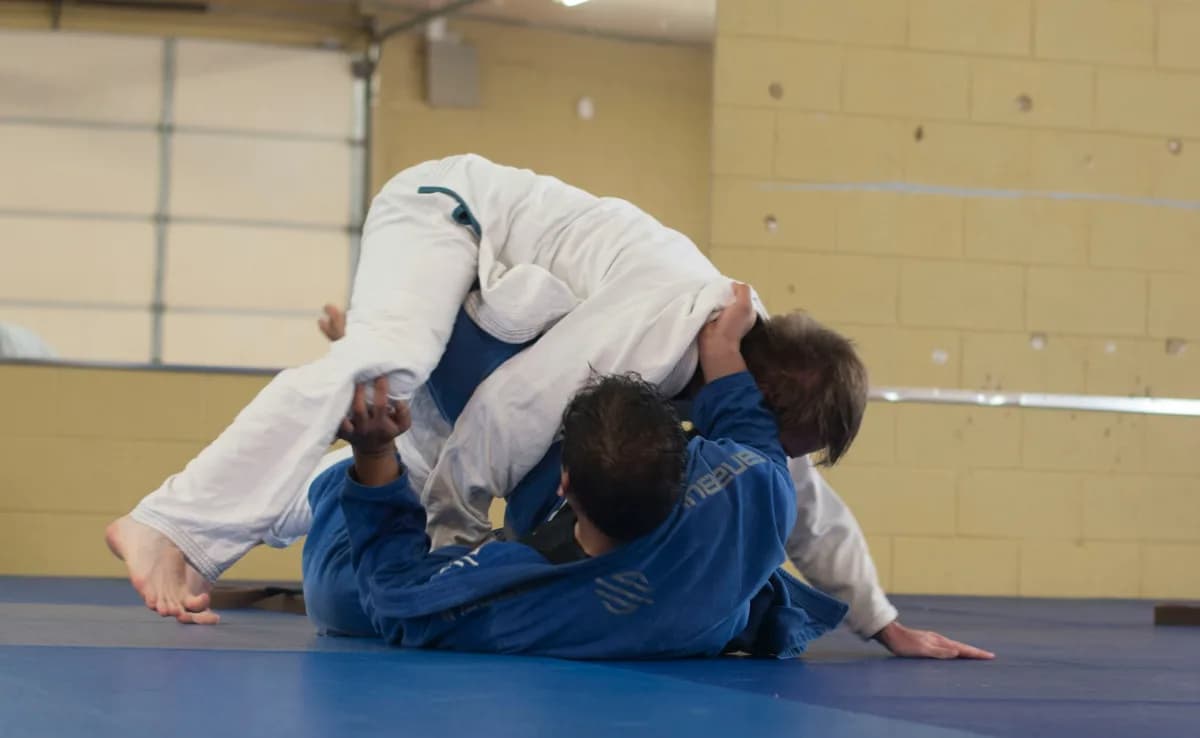
Choosing a BJJ gym is one of the most consequential decisions you'll make as a practitioner. The quality of your instruction, your training partners, and the culture of your academy will shape your entire development. Here's how to evaluate your options properly.
Why Gym Choice Matters More Than Most People Think
In many martial arts, a motivated student can compensate for average instruction by self-studying. In BJJ, this is harder — the art is too dependent on live sparring and real-time feedback for solo study to substitute for quality instruction. A bad gym doesn't just slow your progress; it can ingrain bad habits, expose you to injury through poor safety culture, or waste years of training time.
The right gym accelerates everything. The wrong one can make you quit.
What to Look For
Qualified Instruction
The head instructor's credentials matter — but not in the way most people think. A black belt from a reputable lineage is a good baseline, but what matters more is whether they can teach effectively.
Look for:
- Clear, structured explanation of techniques
- Ability to demonstrate at full speed and break down the components
- Attention to individual students during drilling, not just demonstration from the front
- A curriculum that covers fundamentals before advanced techniques
Ask who promoted the instructor. Reputable lineages include any academy affiliated with the major Brazilian families (Gracie, Machado, Carlson Gracie, Alliance, Checkmat, Atos, Nova União, etc.) or well-known international organizations.
Active Sparring Culture
BJJ without sparring is not BJJ. An academy that drills extensively but rarely spars produces practitioners who know techniques but cannot apply them under pressure.
A healthy academy has:
- Regular sparring as a core part of class, not optional
- Mixed-level rolling (beginners sparring with more experienced students)
- A culture where tapping is normalized and ego is managed
Visit during a sparring round and observe: is it intense but controlled? Are experienced students helping beginners? Or is it a gauntlet where newer students get destroyed and quit?
Safety and Injury Rate
Some injury in BJJ is unavoidable — it's a contact sport. But some academies have significantly higher injury rates due to culture or poor instruction.
Watch for:
- Do experienced students dial back intensity with beginners?
- Is there a clear warm-up protocol?
- Are dangerous techniques (neck cranks, slams, illegal leg locks for the level) discouraged?
- Do students talk openly about injuries, or is there a "push through everything" culture?
Cleanliness
Staph infections, ringworm, and impetigo are real risks in BJJ. A well-run academy:
- Mops and disinfects mats daily
- Has visible signage about hygiene requirements (shower after training, no training with open wounds)
- Enforces a no-dirty-gi policy
If the mats smell bad or look stained, this is not a minor aesthetic issue — it's a health risk.
A Genuinely Welcoming Environment
The culture of a gym is set from the top. An instructor who tolerates bullying, ego-driven rolling, or discrimination creates a gym that will eventually drive out good people.
Visit during class and notice:
- Are newer students welcomed or ignored?
- Is there visible diversity in the student body?
- Do higher belts interact positively with lower belts?
- Is there pressure to sign long contracts before you've tried the gym?
Red Flags to Watch For
McDojo indicators: Belt promotions that seem suspiciously fast, large class sizes with little individual attention, pressure to buy equipment from the gym at inflated prices, or instructors who discourage questions.
Cult-of-personality culture: Gyms organized entirely around one instructor's ego, where questioning technique or lineage is discouraged. This is more common in self-defense focused schools than sport BJJ academies, but exists in both.
Long-term contracts before trial periods: Reputable academies offer trial classes or trial weeks before asking for commitment. Pressure to sign a 12-month contract on your first visit is a red flag.
No sparring: A school that only drills and never spars is not producing functional BJJ practitioners. The reason is usually that live sparring would reveal the techniques don't work against resistance.
Excessive "street effectiveness" marketing with no competition results: Some academies rely heavily on self-defense or "real fight" marketing to avoid the accountability of competition. This isn't universally a red flag — some legitimate academies don't emphasize competition — but combined with other warning signs, it warrants caution.
How to Evaluate a Gym
Take a trial class (or several)
Most reputable academies offer one or more free trial classes. Take them. Roll with several different partners. Notice how you're treated as a newcomer.
Ask specific questions
- What is the typical class structure?
- How often do you have open mat/sparring?
- What competitions do your students enter?
- What is the promotion criteria?
The answers are less important than how they're answered. An instructor who's confident and transparent about their approach is a good sign.
Check competition results
Competition results are not the only measure of a good academy — but they are the most objective one. A gym whose students regularly compete and perform reasonably well at regional and national events is producing functional BJJ.
Search the instructor's name and affiliated athletes on BJJ Heroes, Smoothcomp, or IBJJF's results database.
Talk to current students
If possible, speak informally with current students outside of the instructor's presence. Ask what they like and don't like about the gym. Students who are genuinely happy will tell you; students in a cult-like environment often can't.
Online Resources for Finding BJJ Gyms
- Google Maps: "BJJ near me" or "Brazilian jiu-jitsu [city]" — read reviews carefully, looking for patterns rather than individual positive or negative outliers
- BJJ Radar: A dedicated resource for finding and comparing BJJ academies — a gym directory is coming soon
- IBJJF's affiliated schools list: Schools that appear in IBJJF events are at minimum running real BJJ programs
- Reddit r/bjj: Ask for recommendations in your city — the community is generally helpful and honest about local gyms
Cost
BJJ membership costs vary significantly by region:
- USA: $120–$250/month, with major metros (New York, Los Angeles, Miami) at the higher end
- UK: £80–£150/month (London tends toward £120–£180)
- Western Europe (France, Germany, Netherlands): €80–€150/month
- Southern Europe (Italy, Spain, Portugal, Greece): €60–€120/month
- Eastern Europe: €40–€80/month
- Brazil: R$150–R$400/month — paradoxically, not always cheap despite BJJ's origins there
- Australia: A$120–$200/month
- Japan and South Korea: ¥15,000–¥30,000/month (JPY); roughly equivalent to Western Europe in USD terms
- Southeast Asia: $50–$120/month depending on country and city tier
- Middle East (Dubai, Abu Dhabi): AED 400–700/month, often higher due to premium facility overhead
Higher price does not guarantee better instruction. Some of the best academies in the world charge mid-range prices; some of the worst charge premium rates. Evaluate on quality, not price.
That said, unusually cheap memberships relative to your local market sometimes indicate a gym cutting corners on instruction quality or facilities.
Making the Final Decision
If after a trial class you:
- Felt welcomed
- Learned something concrete
- Felt safe sparring
- Liked the instructor's teaching style
...then that's a good gym for you. Perfect information doesn't exist — you'll learn more about an academy after your first month than you can in a trial class. Trust your instincts, and remember that you can always switch academies if the fit isn't right.
The best gym is the one you'll actually train at consistently. A world-class academy across town that you never attend is worth less than a solid local gym you go to four times a week.