

How to Tie a BJJ Belt: Step-by-Step Guide (2 Methods)
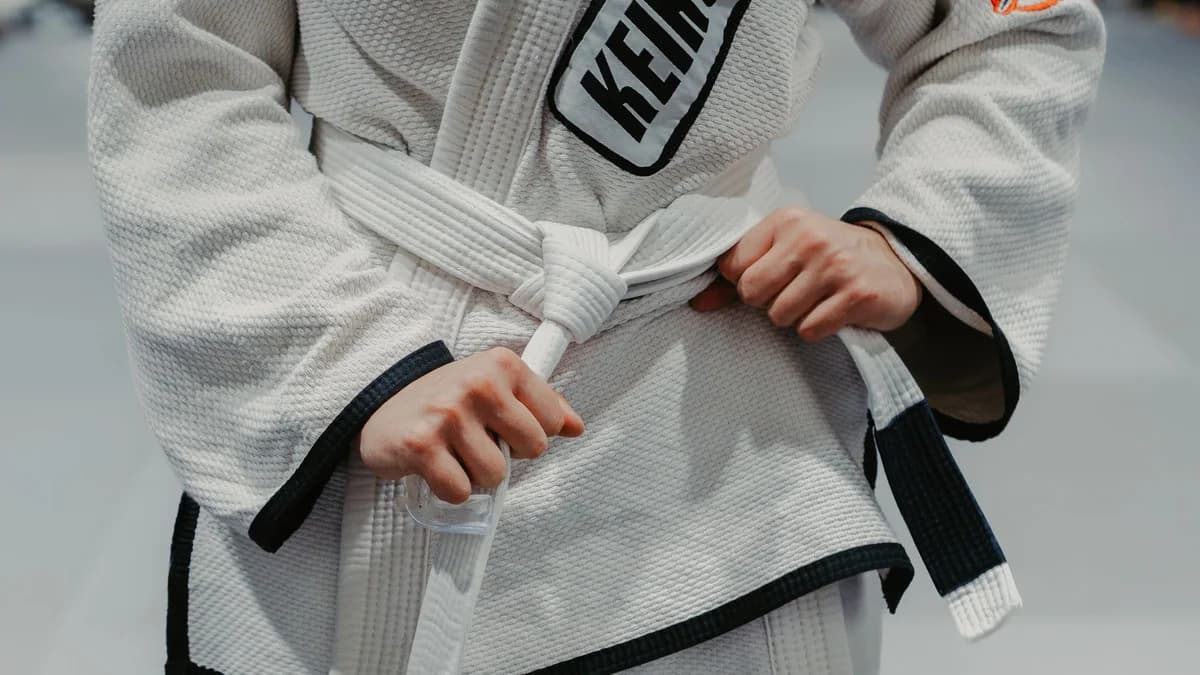
Tying a BJJ belt correctly is one of those small things that makes a real difference on the mat. A poorly tied belt comes undone constantly during rolling, interrupts sparring, and honestly just looks sloppy. Here are two reliable methods — the standard double wrap (most common) and the single wrap (used by some experienced practitioners) — along with tips for keeping it tight.
Why Belt Tying Matters
A BJJ belt serves a functional purpose beyond rank signaling: it keeps your gi jacket closed during training. Unlike a karate or judo belt, a BJJ belt endures constant pulling, clinching, and rolling — so the knot needs to be genuinely secure.
A well-tied belt should stay on for an entire rolling session without coming undone. If yours comes loose every other round, you're tying it wrong or your belt is too short.
Method 1: The Standard Double Wrap (Recommended)
This is the method taught at most academies and what the vast majority of BJJ practitioners use.
Step 1 — Find the center Hold the belt in both hands and find the midpoint. Place the center of the belt against your stomach, just below the navel.
Step 2 — Wrap around your back Take both ends and pass them around your back, keeping them parallel and flat. Bring them back to the front.
Step 3 — Cross and wrap a second time Cross the right end over the left. Wrap both ends around your waist a second time, so the belt double-wraps your body. Bring both ends back to the front again.
Step 4 — Tie the knot Take the right end and pass it under both layers of belt across your stomach (from bottom to top). Pull it through so it points upward. Then take that same end and fold it down over the left end, creating a loop. Pass the left end through that loop from the bottom and pull both ends firmly to tighten.
Result: A flat, square knot that sits flush against your gi. Both ends should hang at roughly equal length and the knot should lie flat, not twisted.
Method 2: The Single Wrap
Some practitioners prefer a single wrap — particularly those with longer torsos or shorter belts, or those who find the double wrap too bulky.
Step 1 — Find the center Same as above — find the midpoint and place it against your stomach.
Step 2 — Wrap once Take both ends around your back and bring them to the front. Do not wrap a second time.
Step 3 — Tie the knot Cross the right end over the left. Take the right end and pass it under both layers of belt, from bottom to top, pulling it upward. Fold it down over the left end, pass the left end through the loop, and pull tight.
The single wrap knot is the same — the difference is only in the number of times the belt circles your waist.
Downside: A single wrap is slightly less secure and can come undone more easily during intense rolling. Most instructors recommend the double wrap, especially for beginners.
How to Keep Your Belt From Coming Undone
Even a correctly tied belt can come loose if:
- The belt is too short: A proper BJJ belt should have 20–30 cm of excess on each side after tying. If you barely have enough to knot, you need a longer belt.
- The knot is twisted: Make sure the knot lies flat. A twisted knot is weaker and more likely to slip.
- You're pulling the wrong part tight: Tighten by pulling the ends outward horizontally, not upward — horizontal tension flattens the knot properly.
- The belt is old or stiff: Newer belts are often stiffer and hold a knot better. Very worn belts can become slippery.
Belt Length Guide
Belt sizes are typically labeled 1 through 7 or A0 through A5, depending on the brand. A common rule of thumb: the same numeric size as your gi size works for most people. When in doubt, size up — a belt that's slightly too long is much better than one that's too short.
One More Tip: The Stripe Placement
If your belt has stripes (white tape indicating rank progression), the stripes should sit on the left end of the belt when the knot is tied. This is convention, not a rule — but it's the standard you'll see at most academies and competitions.
Frequently Asked Questions
Why does my BJJ belt keep coming undone?
The most common causes are: the belt is too short (you need 20–30 cm of excess on each side after tying), the knot is twisted instead of flat, or you're tightening by pulling upward instead of horizontally. Horizontal tension creates a flat, secure knot — upward pulling twists it, which weakens the hold significantly.
What is the difference between the single wrap and double wrap for tying a BJJ belt?
The double wrap circles the belt around your waist twice before tying — it's more secure and what most academies teach. The single wrap circles once and is slightly less secure during intense rolling. Most instructors recommend the double wrap, particularly for beginners.
Which end of the belt should have the stripes?
By convention, stripes (white tape indicating rank progression) sit on the left end of the belt when the knot is tied. This isn't an enforced rule, but it's the standard observed at most academies and competitions.
How do I know what size BJJ belt to buy?
A common rule of thumb: the same numeric size as your gi. A belt should leave 20–30 cm of excess on each side after tying. If you barely have enough to knot, the belt is too short. When in doubt, size up — a belt slightly too long is significantly better than one too short.
Quick Summary
- Find the center of the belt and place it at your stomach
- Wrap around your back twice (double wrap method)
- Cross right over left, pass right end under both layers from bottom to top
- Fold down over left end, pass left end through the loop, and pull tight
Once it becomes muscle memory — which takes maybe a week of regular training — you'll tie it correctly in about ten seconds without thinking about it.